
September 10, 2025
Zygomatic Implants Candidacy: When Severe Bone Loss Needs a Graft-less Solution
In cases of severe bone loss, the best option is the zygomatic dental implant. This approach differs from traditional implants; instead of relying on the weakened jawbone, these long implants are anchored into the dense zygomatic bone (cheekbone), eliminating the need for bone grafts or sinus lifts.
However, qualifying for a zygomatic implant is essential. In this article, we’ll provide an advanced guide on the workflow, indications, and travel tips for those considering traveling to Cancun to receive graftless dental implants from our expert dentists. Let’s delve into the candidacy for zygomatic implants.
Zygomatic Implants Candidacy: Who Qualifies
As mentioned before, zygomatic dental implants offer a life-changing solution for patients with severe bone loss in the upper jaw (maxilla) and are not suitable candidates for other implants like the All-on-4. This advanced procedure can benefit individuals who have:
- Lost significant bone due to aging, disease, or trauma
- Experienced failed bone grafts or previous implant treatments
- Congenital conditions such as a cleft palate
- Undergone tumor resection or maxillectomy
Even in the most complex cases, zygomatic implants can provide a stable, permanent full-arch fixed bridge in just one surgery.
General Indications for Severe Bone Loss in Dental Implants
To put it simply, zygomatic implants are not suitable for everyone. The primary criterion for candidacy is having severe maxillary bone loss (atrophy), which occurs when the upper jawbone has significantly resorbed. In such cases, traditional implants cannot be implemented.
Here are additional general indications for considering zygomatic implants:
- Failed Bone Grafts or Implants: Patients with unsuccessful bone grafts or implant failures may find zygomatic implants to be a reliable alternative.
- Post-Tumor Resection or Maxillectomy: After the surgical removal of tumors or parts of the maxilla, zygomatic implants can help restore function and facial support.
- Congenital Defects: Patients born with underdeveloped upper jaws (e.g., cleft palate) often lack sufficient bone, making zygomatic implants a viable long-term solution.
Zygomatic implants are also referred to as graftless dental implants. Many patients prefer this procedure to avoid bone grafting, which can take anywhere from 6 to 12 months. Therefore, zygomatic implants are the ideal alternative, offering a graft-free, single-stage solution.
When Are Zygomatic Implants Considered?
Beyond the medical explanation and necessity, zygomatic implants are chosen for their numerous functional and practical advantages:
- Avoid Complex Bone Grafting: No need for autogenous grafts, cadaver bone, or sinus lifts.
- Immediate Loading Possible: In many cases, a temporary prosthesis can be attached the same day.
- Support for Full-Arch Restorations: Ideal for “All-on-4” or “All-on-6” type bridges in the upper jaw.
- Faster Treatment Timeline: Skips months of healing associated with grafting procedures.
Overall, the candidacy for zygomatic implants follows specific indications. However, their benefits such as a speedy recovery are also significant factors in patient choice. The key result is a fixed, non-removable smile achieved in weeks instead of a year.
Who Cannot Be Considered for Zygomatic Implant Candidacy
As mentioned, specific guidelines must be followed to qualify for a zygomatic dental implant. However, certain conditions may lead to a negative response when considering this option to renew one’s smile. Patients will not be eligible if they have:
- Active sinus infections
- Immunosuppressive diseases, uncontrolled cancer, or diabetes
- Poor oral health, and no intention to quit smoking
- Pathologies in the zygoma or maxilla (e.g., cysts, tumors, osteonecrosis)
- Chronic unresolved sinus issues
At Cancun Dental Clinic, we will conduct a comprehensive evaluation of your oral health and medical history to ensure you are a suitable candidate for zygomatic dental implants.
Understanding the Zygomatic Implant Candidacy Workflow
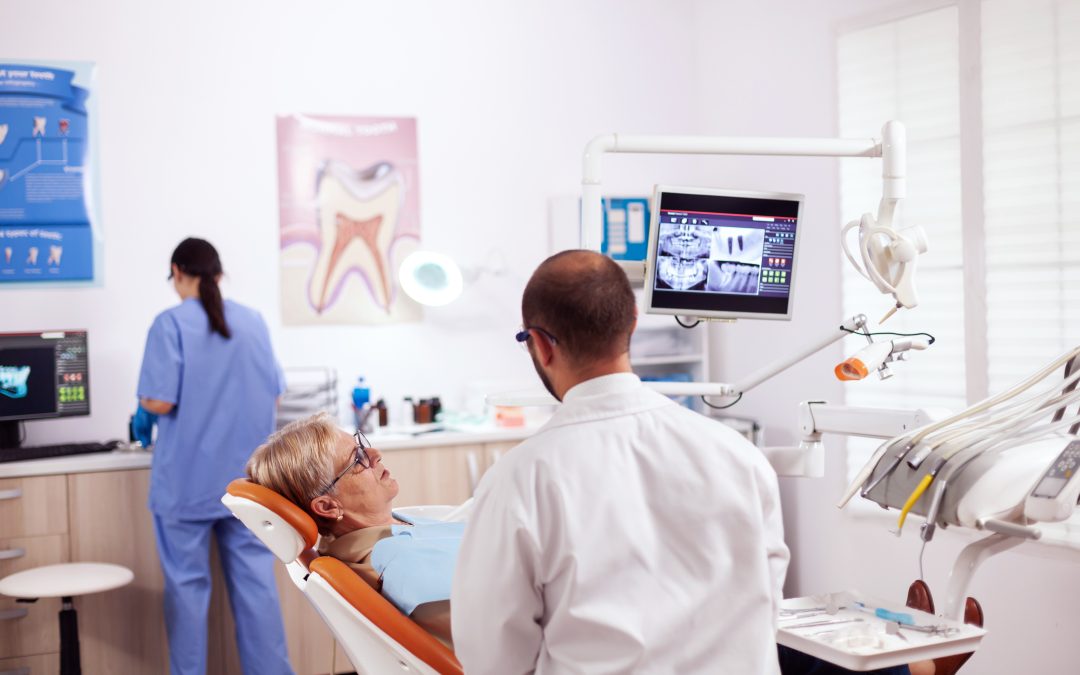
As with any dental procedure, the process begins with an initial consultation and an oral health assessment. The dentist or oral surgeon will examine your gums, remaining teeth, and overall oral health.
Using a 3D CBCT scan, the expert will assess key aspects critical for determining the best dental implant for you. This detailed view provides information on bone volume and density, sinus anatomy, zygomatic bone structure, and nerve pathways. Based on this analysis, it will be determined if zygomatic implants are necessary (typically 2–4 per arch).
Finally, based on the scan results and clinical examination, your surgeon will confirm whether you are a candidate for zygomatic implants or if pterygoid implants (an alternative) might be a better option.
Accurate Planning for Long-Lasting Implant Success
Using advanced software, the surgical team creates a virtual implant plan. This ensures precise placement and helps avoid anatomical risks.
Your treatment will be tailored to your anatomy, including implant angles, lengths, and the possibility of immediate loading. The surgical placement will be conducted under sedation or general anesthesia and continues as follows:
- Implant Insertion: Long titanium implants (30–55 mm) are placed into the zygomatic bone, bypassing the weak maxilla.
- Immediate Restoration (Optional): In many cases, a temporary fixed bridge is attached the same day, so you leave with teeth on the same day.
Osseointegration & Healing Process
The implants integrate with the zygomatic bone. This process is highly successful due to the dense bone structure and typically lasts 4–6 months. During this period, a soft diet is required; you must eat soft foods only and avoid chewing on the implants during healing.
Additionally, maintaining excellent oral hygiene is crucial. Use gentle brushing, antimicrobial rinses, and ensure regular follow-ups with your dentist.
Your New Smile Is Here: The Final Restoration
Once the healing process is complete, your temporary bridge will be replaced with a custom-made, durable final prosthesis, such as a zirconia bridge. After this process, your ability to eat, speak, and smile with confidence and without restriction is fully restored.
Zygomatic Implants: Travel Considerations for International Patients
Many patients travel to Cancun for zygomatic implants due to high costs and long wait times in their home countries. At Cancun Dental Clinic, we understand that success begins with exceptional treatment planning. A precise, customized plan is essential for safe implant placement, optimal function, and beautiful, long-lasting results. Here’s how to prepare for your journey to a new smile:
Before Your Trip
Choose a clinic with experienced staff and a proven track record in zygomatic surgery. If possible, get pre-op scans (some clinics accept recent CBCTs). It’s also essential to review your medical history with your surgeon. Also, arrange accommodations near the clinic for your recovery.
During Recovery
During your recovery, it’s important to stick to a soft diet of foods like smoothies, soups, and mashed potatoes. Be sure to take all prescribed medications, including antibiotics and pain relievers. Additionally, avoid smoking and drinking alcohol, as these habits can increase your risk of experiencing complications.
Follow-up care is crucial. Attending all post-operative appointments is essential for successful healing. Many clinics, including ours, offer virtual check-ins to support international patients and ensure continuity of care.
To protect your long-term results, follow these important recommendations:
- Schedule professional cleanings every 3–6 months to maintain gum health and implant stability.
- Watch for signs of complications, such as severe or worsening pain, persistent swelling or redness, discharge around the implant site, or a loose prosthesis or implant.
- If you experience any of these symptoms, contact your dentist immediately.
Bottom Line: Zygomatic Implants Candidacy, The Right Solution for the Right Patient
Both pterygoid implants and zygomatic implants are excellent options for patients who believe they have lost the chance for a new smile and restored confidence. These powerful, life-changing solutions are particularly suitable for those with severe bone loss, offering a permanent, fixed smile without the need for bone grafts and reducing recovery time.
At Cancun Dental Clinic, our experienced oral surgeons use advanced 3D imaging technology to make accurate diagnoses. We are committed to exceptional post-operative care. Contact us today to learn more about our dental implants for severe bone loss!